California Probate Forms
📅 2026 Update: Changes in California Probate Procedures
Since the original article on California probate forms was published, several important changes have taken place in the landscape of probate law. These adjustments affect how estates are managed and the processes involved in probate court. Readers can find more details in the original article further down the page.
🏡 Transfer on Death Deeds
New laws in multiple states, including Idaho in 2026, allow property owners to use Transfer on Death (TOD) deeds. This means they can designate beneficiaries for real estate without going through probate. Although California does not have a TOD deed statute yet, the trend indicates a shift towards simplifying property transfers.
💰 Updated Probate Fees
California's probate filing fees remain based on the estate's value. As of 2026, the minimum fee is $435 for estates valued up to $100,000. This fee structure helps ensure that the costs align with the value of the estate, impacting how families handle probate.
⏳ Changes in Processing Times
Probate cases in California typically last 9 to 18 months. Simpler estates may take less time, but families should prepare for potential delays. Understanding this timeline can help manage expectations during a difficult period.
🗓️ Filing Deadlines
In California, the will must be filed with the probate court within 30 days of the testator's death. Meeting this deadline is crucial for initiating the probate process and ensuring that the deceased's wishes are honored.
📌 Key Points Summary
- 🏡 New TOD deeds allow property transfers without probate in several states.
- 💰 California maintains a minimum probate filing fee of $435.
- ⏳ Probate cases usually take 9 to 18 months.
- 🗓️ Wills must be filed within 30 days of death in California.
💡 Tips for Understanding California Probate
Reviewing your situation with an attorney is important to ensure you understand your specific needs.
📄 Know the Required Forms
California offers standardized probate forms, such as the Petition for Probate (Form DE-111) and Letters Testamentary (Form DE-150). Using the correct forms simplifies the process and helps avoid delays.
📅 Be Aware of Deadlines
As mentioned, the will must be filed within 30 days of the testator's death. Keeping track of this deadline is essential for starting the probate process effectively.
💰 Understand the Fee Structure
Probate filing fees in California are tied to the estate's value. Knowing this can help you prepare for the costs involved in probate and budget accordingly.
🏛️ Processing Times Vary
Probate cases can take a long time, typically between 9 to 18 months. If the estate is complex, it may take longer. Being patient and understanding this timeline can ease stress during the probate process.
📚 Access Free Resources
Check out free resources provided by organizations or state courts. For example, the Connecticut Probate Courts offer free guides and assistance that can be helpful in understanding probate.
❓ Frequently Asked Questions
❓ What is a Transfer on Death (TOD) deed?
A Transfer on Death deed allows property owners to designate beneficiaries for their real estate, enabling them to avoid probate upon the owner's death. This is a recent trend that some states are adopting.
🕒 How long does probate take in California?
Probate cases in California generally last between 9 to 18 months. The complexity of the estate can significantly affect this timeline.
📅 What happens if I miss the filing deadline for a will?
If the will is not filed within 30 days of the testator's death, it may complicate the probate process. This could lead to legal challenges and delays in settling the estate.
💵 Are there estate taxes in California?
As of March 2026, California does not impose estate taxes. This means that estates are not taxed at the state level, although federal estate tax rules still apply.
📜 Can I access probate records?
Probate records are public documents, but access procedures and fees can vary by state and county. It's advisable to check local rules for specific guidance.
📊 What resources are available for understanding probate?
Free resources such as guides from state courts and legal organizations can provide valuable information. They help individuals navigate the probate process more effectively.
⚖️ Recent Court Cases Related to Probate
Recent court rulings can offer insights into the evolving nature of probate law and procedures. These rulings may influence how estates are managed and the rights of beneficiaries.
- Florida court affirms ruling in family trust dispute caseDistrict Court of Appeal of Florida · December 28, 2022
- Court affirms ruling in trust dispute case in FloridaDistrict Court of Appeal of Florida · January 11, 2023
- Court reverses summary judgment in Dunley family trust caseDistrict Court of Appeal of Florida · January 27, 2023
- Court reverses ruling on attorney fees in probate caseDistrict Court of Appeal of Florida · March 10, 2023
For more information, you can browse more rulings on the news page.
End of October 2026 Update
A Short Outline of California Probate Forms
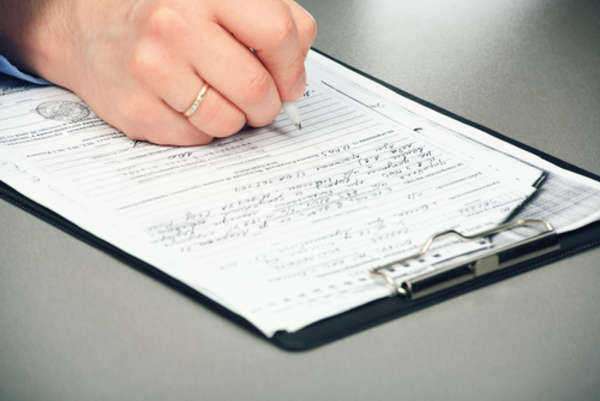
The probate process in California can be one of the most headache-inducing court procedures in the state. Not only are there multiple fees and taxes, but there are literally dozens of different California probate forms that you will have to keep track of during the process. Forgetting to file one may mean heavy penalties, be they in money or time, so it’s important that you remember all of them. Here is a brief outline of some different California probate forms. Remember, this is far from all of them, so check with your district’s probate court to better understand what will be expected from you.
•DE-111: Petition for Probate
This is the California probate form that you should first become familiar with, as it begins the probate process. It requires information about the estate’s worth, as well as decisions that will affect the rest of the probate process. For instance, this document asserts whether a will is existing, which will make the process much easier, and who will be the fiduciary. If a will exists, then the Letters Testamentary will be given to the named fiduciary according to the will, but if none exists, then a fiduciary figure must be named to be handed the Letters of Administration and oversee the distribution of the estate. Print the form here. You’ll need to turn it in with a copy of the death certificate, a copy of the will if there is one, and the payment for a filing fee.
•DE-120: Notice of Hearing
This is to alert all interested parties of a probate hearing. It is usually other possible heirs named in a will who receive this California probate form. It will be mailed by the fiduciary as soon as a probate hearing is settled. Print it out here.
•DE-157: Notice of Administration to Creditors
One of the most important, and most reviled, aspects of the probate process it the notification to creditors that probate is occurring, thus giving them a chance to collect all funds owed to them during the extensive time period that the estate is opened. All fiduciaries need to file this California probate form as soon after opening the estate as possible, as delaying will only prolong the probate process. Print it here.
•DE-160 and DE-161: Inventory and Appraisal/Inventory and Appraisal Attachment
In order for a probate court to properly distribute an estate’s property, all of their property must be made known. Therefore, a property inventory of property must be presented to the court in this California probate form, including an appraisal of any items whose value may not be immediately evident. Use the first California probate form for introductory material and summaries of worth, and use the attachment form for an item-by-item inventory of properties. Print DE-160 and DE-161 here.